Back to reality… After a few days of driving cross-country, and a couple more days windsurfing in Big Sur, I arrived at Waddell Beach, the first stop on my windsurfing tour.

In two months I was able to windsurf 60% of the time, kitesurf 15% and surf the rest. Not a bad start and a stark improvement over my normal average of 15 windsurfing days for an entire year.
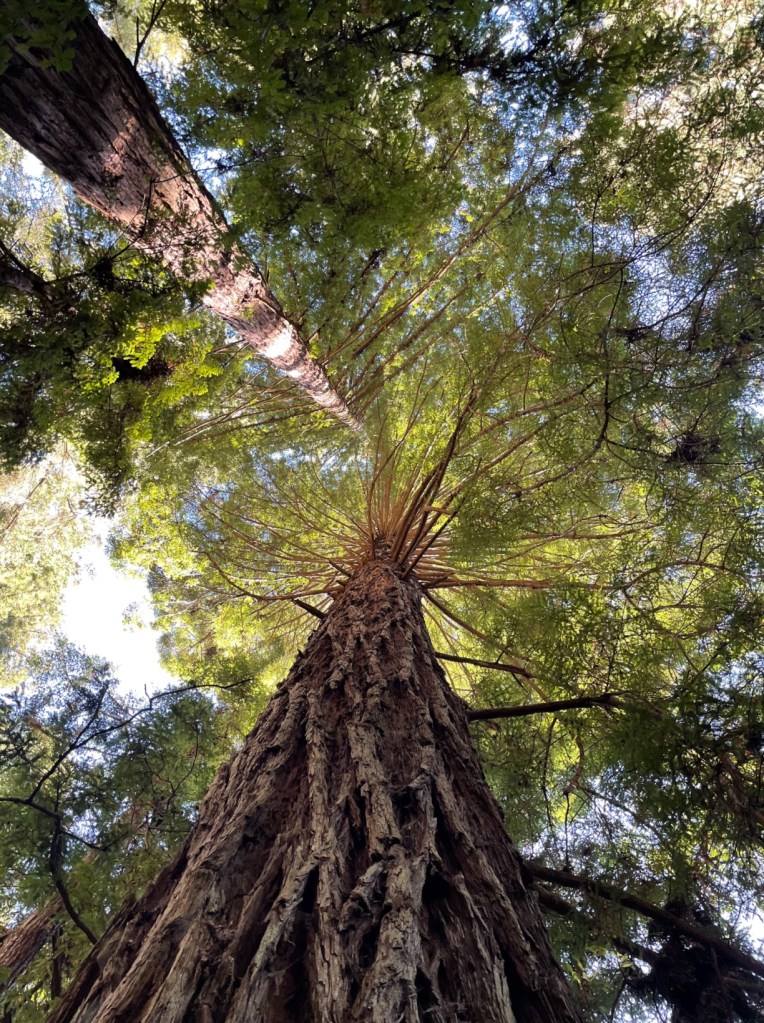
Waddell is wild. It sits in a dip on the Pacific Coast Highway, a wide open beach facing the Pacific with its back to the Big Basic Redwoods State Park. Driving in from the north or the south, the road is miles of unblemished natural beauty. By the time you reach Waddell Beach, you feel very far from civilization.
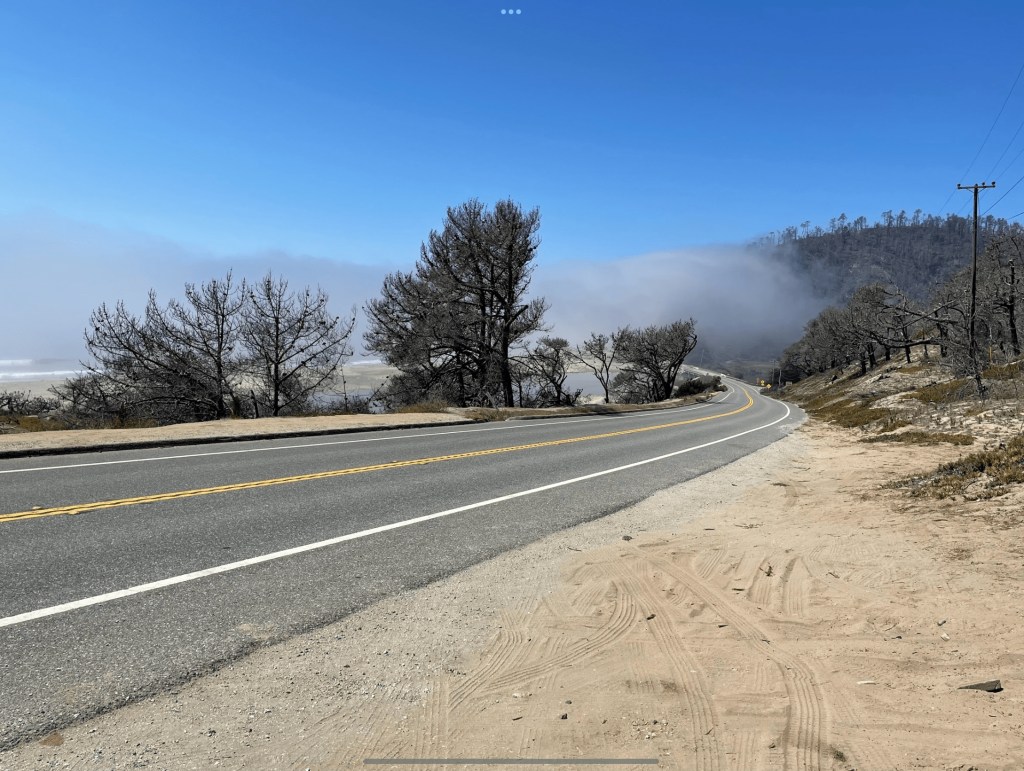
Waddell has that unique combination of wind and waves that make it ideal for wave sailing. Strong northwesterly summer winds, the product of cold air ocean air pushing inland to replace hot air rising over the mainland, are funneled side shore by the imposing coastal mountain ranges to line up perfectly with the waves breaking along the southeasterly beach.
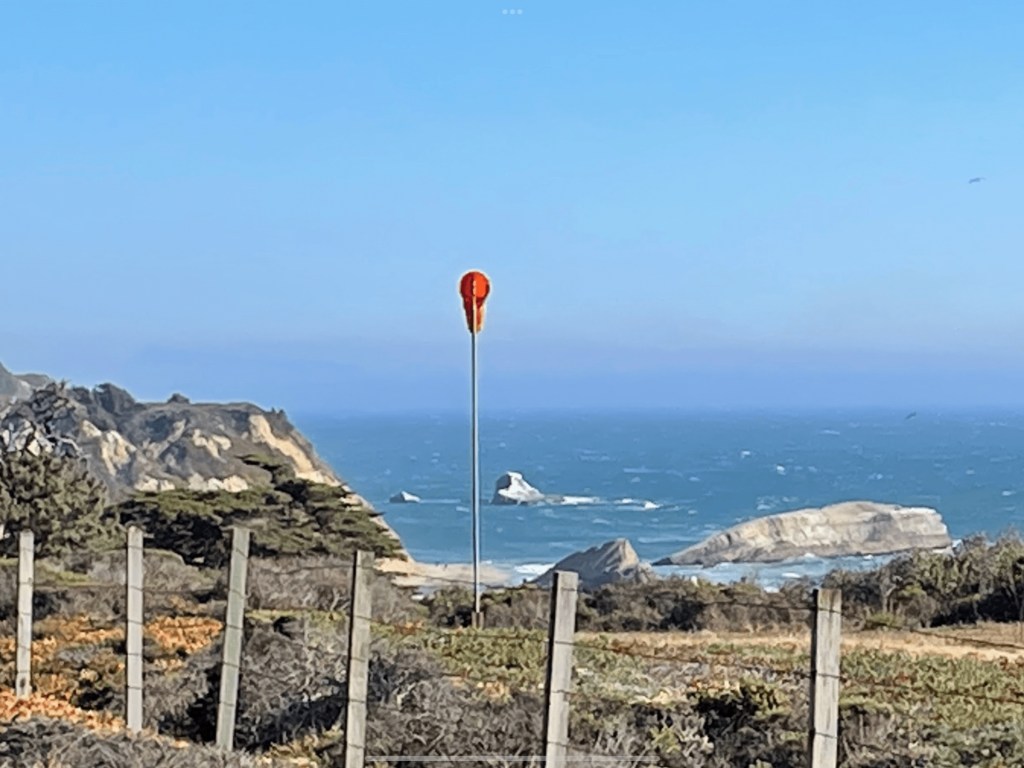
For those of you who are fluent in cardinal directions and paid attention in my Windsurfing Theory class, you may have noticed that the wind at Waddell blows along the beach from right to left, which is the wrong direction for a goofy foot surfer, someone who surfs from left to right, like me. I’ll explain how I manage this later. That Waddell, despite this, is still my top choice for wave sailing on the North American mainland, highlights how rarely the perfect combination of conditions coalesce. The other spots we’ll be visiting are even better, but we’ll need to travel far to find them.
Waddell has good waves. The Pacific has big waves because it’s a big ocean. Waves come from swell, which is formed by the wind, and the greater the fetch (the distance over which the wind blows), the bigger the swell (like a snowball rolling downhill). The California coast also drops steeply into the ocean (it has a narrow continental shelf), which means the swell retains all its power when it crashes onto the beach as a wave.
Waddell catches the best of the Pacific waves. In summer, the swell is generated mostly from storms in the South Pacific (their winter), so it is relatively small by the time it reaches California, ten thousand miles away, but still packs a punch. Fortunately the waves break over sand, which makes the regular white water pummeling more comfortable.
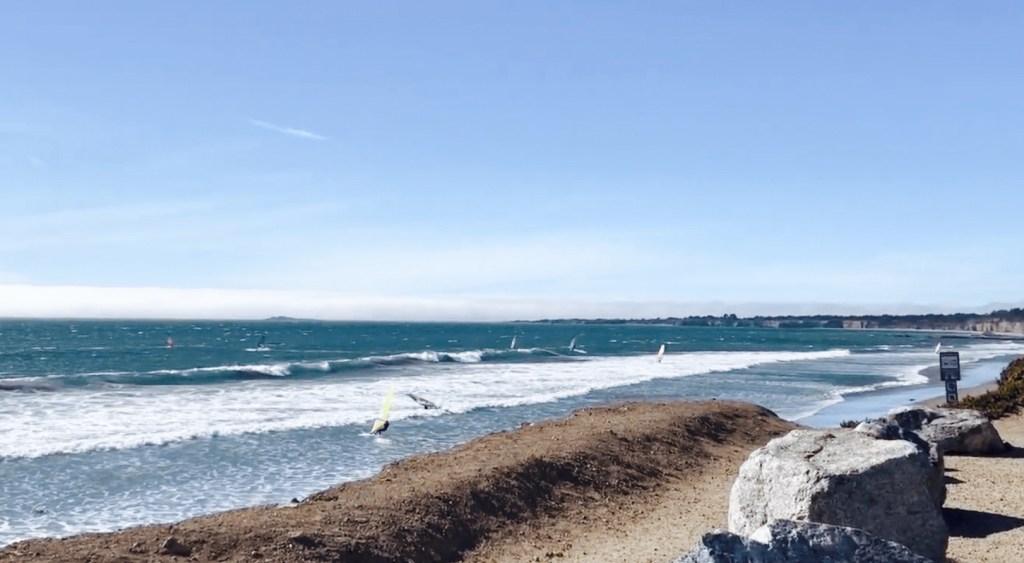
The perfect wave for wave sailing breaks in the same direction as the wind. The waves at Waddell tend to break all at once (close out), which makes riding the wave short and brutal. There is one place along the beach where the wave breaks regularly (a peak), but it breaks from right to left (left break), the opposite direction from the wind. These are challenging conditions indeed.
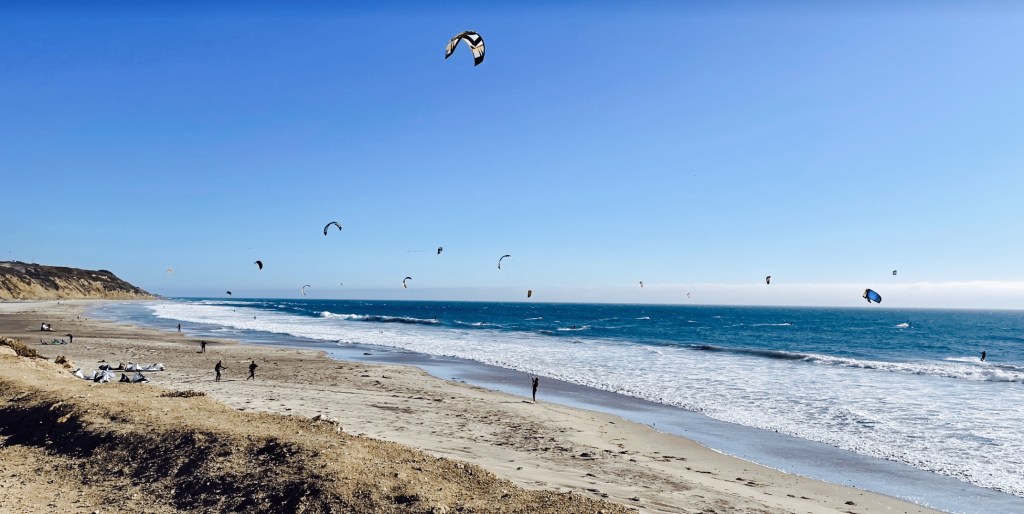
Yet Waddell shines. It’s common to see 30 windsurfers and (mostly) kitesurfers entertaining dozens of spectators who have paused their Pacific Coast Highway trip to take part in our celebration of nature.
 F4 Plus