I was last in Matanzas, Chile, ten years ago. It was known as a windsurfing destination for the adventurous. The waves and the wind are superb, but the location is remote. After a three hour drive from Santiago on ever-narrowing roads you reach a one-street coastal village surrounded by stunning nature, steep wooded hills behind and wave-swept beaches in front.
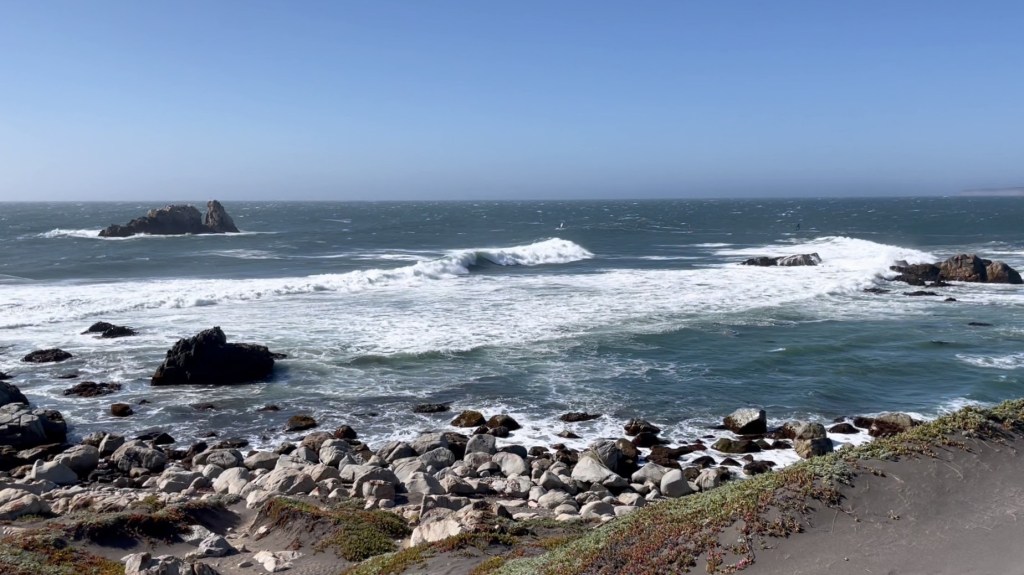
A couple of rocky islands planted a few hundred yards offshore define the view. Home to whirling flocks of seabirds and dozing sea lions (Matanzas is named for the Spanish word slaughter, which is what they did to the sea lions back in the day, for their oil), they silently and steadfastly stand watch over the heaving waters. They also mark the air with an overpowering feral stench, carried far on the wind, a reminder that the ocean is someone else’s turf.
At the time, there was only one small corner market (on the corner at the entrance of the village) selling local produce and pasta. I remember eating pasta every day, and the cold. Chile is sunny, and some parts up north and in the central plains around Santiago get real warmth in summer. Much of the rest is described as “cold desert” and “warm-summer mediterranean,” which really means “cold when you’re not in the sun,” and further south, where very few venture in this very, very long country, “subpolar oceanic,” which is self-explanatorily unpleasant.
In Matanzas, about half-way down the west coast of the South American continent, early summer temperatures hover between 8 C (46 F) in the morning and 18 C (64 F) in the afternoon. Most of the time, with the wind blowing off the water, it doesn’t get above the ocean temperature of 14 C (57 F); and it’s a heavy, damp ocean cold.
Life in my uninsulated, unheated rustic wood cabin is an exercise in warmth management. I learned to expertly leap out from under the relative warmth of duvet and blankets into my warmest clothes, including ski fleece, scarf, hat and wool socks; breakfast and lunch with lots of boiling water and gas-stove cooking; walking, anywhere, to get the blood flowing; and hot showers until the hot water runs out. By early afternoon the sun is hitting the bay windows, which turns the cabin into a hot box until evening, a few hours of welcome respite from the cold.
Speaking of cold, let me a say a few words about wetsuits. First of all, thank goodness for wetsuits! A wetsuit is a neoprene rubber suit that insulates the body by trapping and heating a thin layer of water between the wearer’s skin and the rubber (dry suits work differently and are used in extreme conditions). Wetsuits have given water sports, arguably born in the warm waters of Hawaii, a global playground. Any water colder than 21 C (70 F) needs a wetsuit to be comfortable, so that’s most places. Cold saps focus and energy, which is not fun and can be dangerous. Wetsuits are made with different rubber thickness for different levels of cold. They are highly efficient and a single millimeter (0.04 of an inch) makes the difference between being OK, too cold, or too hot (unlike other seafaring animals, humans have a very narrow comfort range). I have five wetsuits: neoprene vest above 25 C, 2mm short-sleeve suit above 20 C, 3mm full suit above 17 C, 4mm full suit above 14 C, and a 6mm with hood below that.
After a brief attempt at misplaced machismo in my 4mm wetsuit, I ended up using the 6mm, the extra energy needed to counteract the stiffness of the thicker wetsuit being noticeably less than the energy sapped by the cold of the thinner one. Still, I’m looking forward to Hawaii!

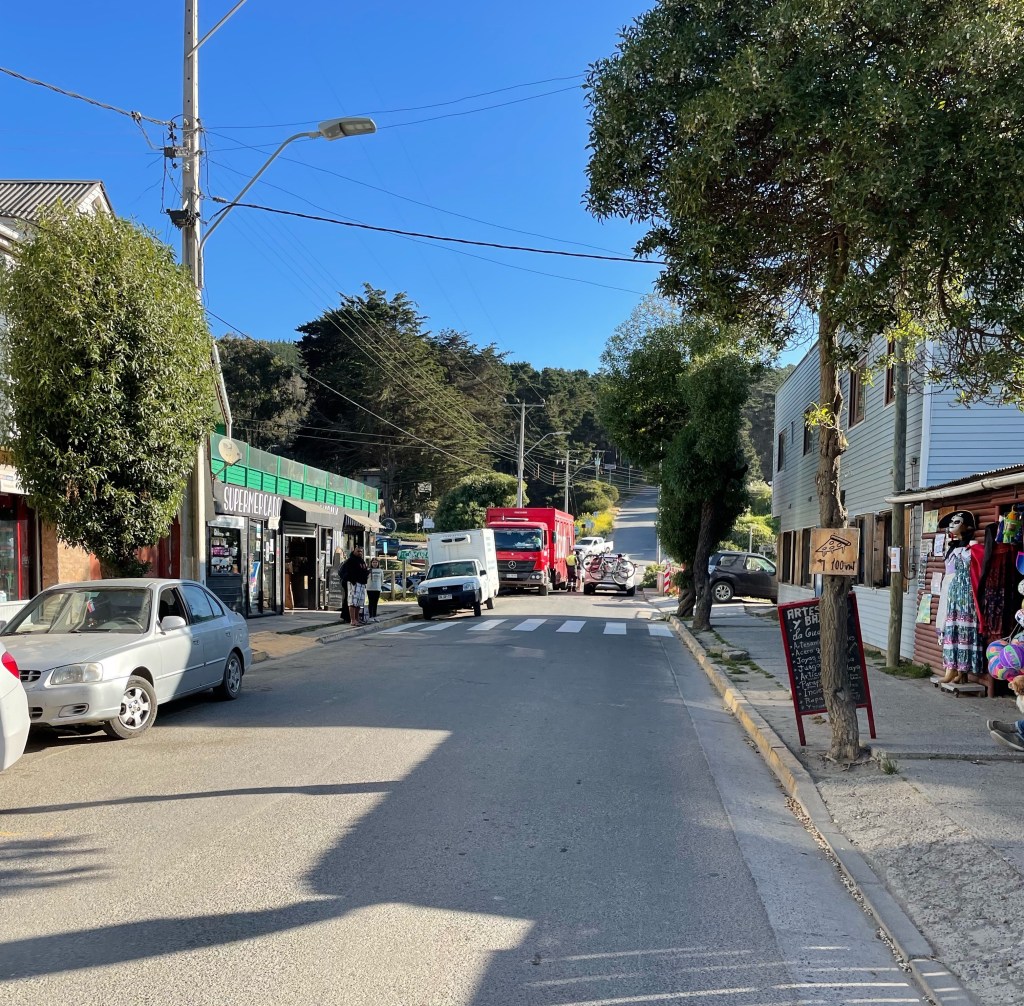
Ten years later, aside from the wind and the cold, Matanzas is a very different place. Now there are three corner markets, standing side-by-side, two restaurants, two hotels, a local brewery (4 Pelicans), beachside stalls open on the weekend, and dozens of new hillside cabins, some very luxurious and promoted on Airbnb to serve the growing crowd of Santiago holiday makers. It’s still a one-street village where dogs and chickens run free, but it’s more comfortable.
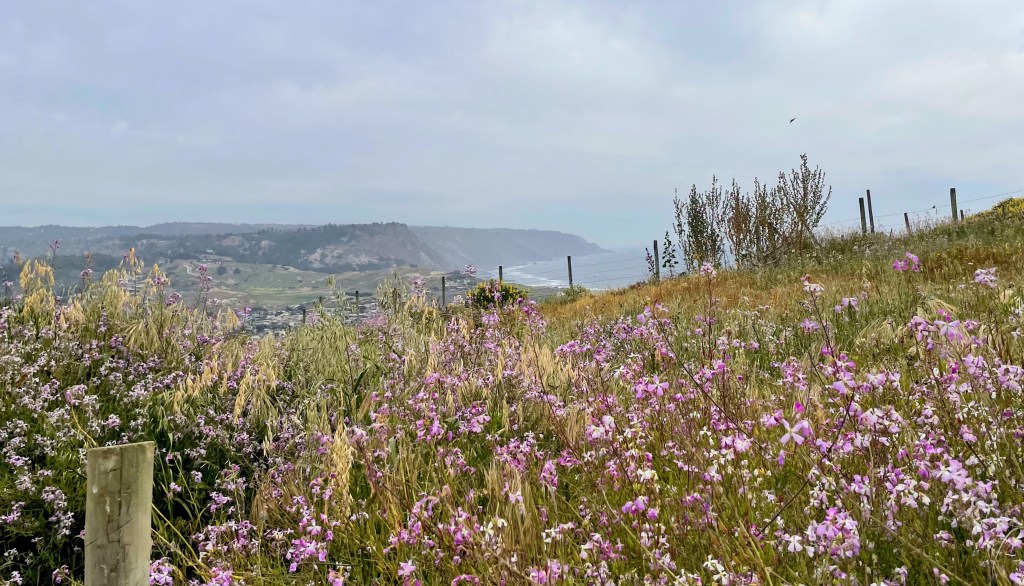
You can no longer drive your car on the beach here, but the beaches make for great walking. Miles and miles of dark sand backed by towering bluffs, interrupted only by the occasional river mouth sheltering tiny villages. The craggy sandstone cliffs are carpeted with flowing grass, wild flowers and gnarled wind-swept shrubs shadowed by birds of prey riding the afternoon winds in search of food. A short walk from the village and you feel very alone, with only the birds and the constant roar of crashing waves for company.
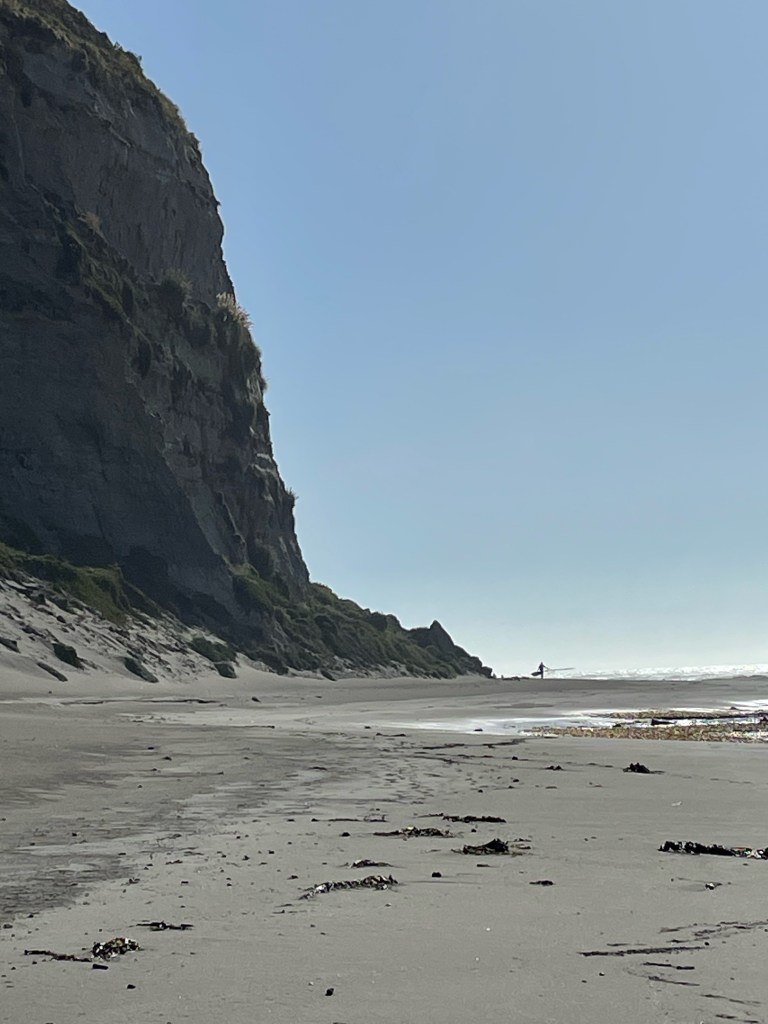
The beaches are also clean. The entire countryside is clean. Street sweepers are a common sight and everywhere there are signs encouraging good behavior. I was so compelled by the cleanliness and goodwill that I happily picked up stray trash on my long walks to take home with me. This fits with Chile’s reputation as a leader in sustainable and ecotourism. And it fits with the warmth of the locals, possibly a natural adaption to the biting cold, always smiling and generous with their time, advice and stories. And that (along with a warm wetsuit) is all the warmth I need.
 F4 Plus