There have been refugees as long as there have been disasters and repression. Refugees are collateral damage in our fraught human history. No one chooses to be a refugee, forced to leave behind their home, family, friends, and way of life. Refugees are in effect stateless, pushed out of their home state and unwelcome anywhere else. Many are also legally without state, their citizenship of origin rescinded while they await an uncertain fate in a future adoptive country. They are almost always destitute, property abandoned or stolen, insufficient resources to protect themselves at home, drained by their escape and journey to safety.
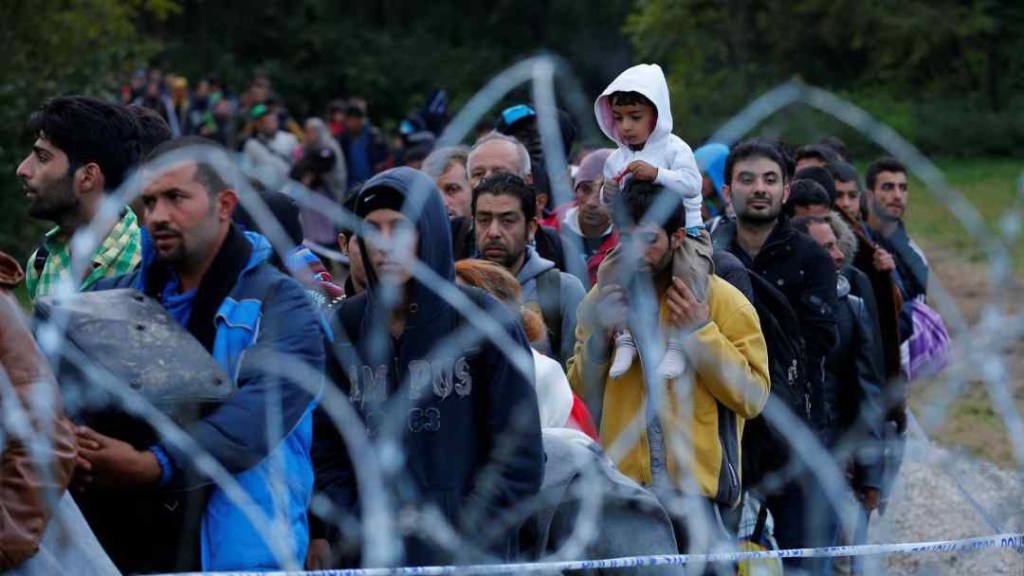
The international framework created in 1951 to assist refugees is failing. The words “refugee crisis” have lost their impact from overuse, but the situation is quickly worsening: the number of refugees is growing at its fastest rate since World War II; criminal exploitation of refugees is more sophisticated, widespread and visible; and the hosting countries are not able to keep up, inadequately prepared and often unwilling. Despite their minimal economic impact on hosting countries, refugees have an outsized political impact, helping to polarize the far left and far right of the political spectrum, and contributing to important geopolitical changes. The cost of solving the refugee crisis dwarfs the cost of trying to contain it.
According to the United Nations Refugee Agency (UNHCR), there were an estimated 32 million refugees globally, and over 100 million people forcibly displaced, including refugees, asylum-seekers, and internally displaced persons. The majority of refugees come from just a few countries, including Syria, Venezuela, Ukraine, Afghanistan, South Sudan, Myanmar, and Somalia.
Refugees often face significant challenges, including poverty, discrimination, and limited access to education, healthcare, and protection from exploitation and abuse. Many live in refugee camps or informal settlements, where they have limited access to basic services and face difficult living conditions. The COVID-19 pandemic has further compounded these challenges, exacerbating existing vulnerabilities and creating new ones. It is estimated that there are over 4 million refugee children globally.
The concept of refugees was officially recognized in the aftermath of World War II with the 1951 United Nations Convention relating to the Status of Refugees. The convention defined who is a refugee, their rights, and the obligations of states towards them. Since then, the definition has been refined through subsequent UN and regional agreements, such as the 1967 Protocol relating to the Status of Refugees, which broadened the definition to include refugees outside Europe and removed the geographical and temporal restrictions of the 1951 Convention.
Migrants and refugees are two distinct categories of people who move from one place to another, but there are key differences between them:
- Reason for movement: The main difference between migrants and refugees is the reason for their movement. Migrants move voluntarily, often in search of better economic opportunities or a better quality of life. Refugees, on the other hand, are forced to flee their homes due to persecution, conflict, or fear of violence, and are in need of international protection.
- Legal status: Migrants typically have a choice about where they go and when they leave, and may have the option of returning to their home country. Refugees, on the other hand, are recognized under international law as having a well-founded fear of persecution and are in need of protection. This gives refugees specific legal rights and protections, such as the right to asylum, which migrants do not have.
- Support: Migrants often have more resources and support networks available to them, while refugees often have limited resources and may be in need of assistance from the international community.
The distinction between migrants and refugees can be complex and sometimes fluid, as some people may fit into both categories or may change status over time. It is also important to recognize the human rights and dignity of all people on the move, regardless of their legal status or reasons for movement.
The number of refugees has been increasing rapidly in recent years due to a number of factors, including:
- Conflict and violence: Ongoing conflicts and violence in many countries, such as Syria, South Sudan, and Afghanistan, are driving large numbers of people from their homes and into displacement.
- Persecution: The persecution of ethnic and religious minorities in many countries, such as the Rohingya in Myanmar and the Uighur in China, is also a major factor contributing to the increase in refugees.
- Climate change: Climate-related events, such as droughts, floods, and hurricanes, are also displacing increasing numbers of people and contributing to the rise in refugees.
- Lack of political solutions: The lack of political solutions to conflicts and the inability of the international community to address the root causes of displacement are also contributing to the increase in refugees.
As of 2021, the largest refugee population is the Syrian refugees, with over 6 million people displaced and living as refugees. There are approximately 5.7 million registered Palestinian refugees. This number includes descendants of those who were forcibly displaced from their homes during the conflict surrounding the establishment of the State of Israel in 1948 and the following years. There are over 2.6 million Afghan refugees.
Since their displacement, Palestinian refugees have been living in a state of protracted displacement and have not been able to return to their homes or receive compensation for their losses, despite the fact that the right of refugees to return to their homes is guaranteed under international law.
For historical context, there have also been several significant Jewish refugee crises as well. Some of the most notable include:
- The Spanish Inquisition (1492): Over 200,000 Jews were expelled from Spain and fled to other parts of Europe, North Africa, and the Ottoman Empire.
- The Russian Pogroms (1881-1906): Over two million Jews fled from the Russian Empire to Western Europe, North America, and Palestine (now Israel) due to widespread anti-Semitic violence.
- The Nazi Persecution of Jews (1933-1945): During the Holocaust, over six million Jews were killed by the Nazi regime and its collaborators. Those who survived were often forced to flee from their homes and become refugees.
- The Arab-Israeli War (1948): With the establishment of the state of Israel, around 850,000 Jews were expelled or fled from Arab countries and became refugees in Israel.
Although the face of the refugee crisis is often shown at a border crossing, many refugees are living in settlement camps around the world. Here are a few of the largest refugee camps:
- Dadaab refugee camp in Kenya: With a population of over 250,000 people, Dadaab is one of the largest and oldest refugee camps in the world. It was established in 1991 to house refugees fleeing conflict in Somalia and continues to be a major center for refugees in the region.
- Rohingya refugee camps in Bangladesh: In the aftermath of a brutal military crackdown in Myanmar in 2017, over 700,000 Rohingya refugees fled to Bangladesh, where they have been housed in a network of sprawling refugee camps. The largest of these camps, Cox’s Bazar, is home to over 900,000 refugees.
- Zaatari refugee camp in Jordan: Established in 2012 to house Syrian refugees, Zaatari has grown into one of the largest refugee camps in the world, with a population of over 80,000 people.
- refugee camps in Greece: In the aftermath of the European refugee crisis, Greece has become home to a number of large refugee camps, including the Moria camp on the island of Lesbos, which once housed over 20,000 people.
Despite the efforts of humanitarian organizations, conditions in many refugee camps can be harsh, with limited access to food, water, healthcare, and other essential services.
According to the United Nations Office on Drugs and Crime (UNODC), refugees and migrants are among the groups most vulnerable to trafficking, and may be targeted by traffickers because of their desperation and lack of options, offering false promises of work or a better life in exchange for payment or other forms of exploitation. Once in their destination country, refugees and migrants may also face ongoing exploitation by criminal gangs, including forced labor, sexual exploitation, and other forms of trafficking.
It is difficult to estimate the exact number of trafficked children worldwide as human trafficking is often hidden and underreported. However, the International Labour Organization (ILO) estimates that forced labor and human trafficking affects around 25 million people globally, with 5.5 million of these being children. UNICEF estimates that every year, around 1.2 million children are subjected to trafficking worldwide. Refugees make up a significant portion of that number.
Many refugees are also stateless, meaning they do not have a recognized nationality or citizenship with any country. According to estimates by the United Nations High Commissioner for Refugees (UNHCR), there were over 4 million stateless people globally in 2020. Statelessness can occur for a variety of reasons, including discriminatory nationality laws, lack of documentation, or the dissolution of a country. Stateless refugees face significant challenges, as they often lack access to basic rights and services, such as healthcare, education, and employment, and may be at risk of exploitation and abuse. They may also be unable to return to their home country, as they are not recognized as citizens, and may face difficulty integrating into their host country.
According to data from the United Nations High Commissioner for Refugees (UNHCR), in 2020, only a small fraction of the total number of refugees worldwide were able to find a permanent solution, such as resettlement in a third country or local integration in their country of asylum. Approximately 1.4 million refugees were in need of resettlement, but only around 60,000 were resettled during the year, which represents less than 5% of the total number of refugees in need.
It is difficult to determine a single country that is the “most generous” towards refugees, as this can depend on various factors and interpretations. However, there are several countries that have a reputation for providing significant support and protection to refugees.
For example, Germany has taken in a large number of refugees in recent years and has implemented a range of measures to support their integration into society, including language classes, job training programs, and access to healthcare and education.
Sweden is also known for its strong commitment to protecting refugees and providing them with opportunities to build a new life. The country has a long history of offering asylum to those fleeing conflict and persecution, and has implemented a range of programs to support refugees’ integration, such as language classes and employment support.
In Canada, the government has a well-established resettlement program and a tradition of welcoming refugees and other migrants. The country provides a range of services and support to help refugees settle and integrate into Canadian society.
Other countries, such as Norway, the Netherlands, and Switzerland, also have strong records of supporting refugees and providing them with protection and assistance. However, the most “generous” country can vary depending on the specific needs and circumstances of refugees, as well as the resources and policies of the host country.
The United States has a mixed track record with refugees, with a history of both providing protection and support to those fleeing conflict and persecution, as well as implementing policies that have limited the admission and resettlement of refugees.
Since World War II, the United States has resettled more refugees than any other country and has a well-established resettlement program that provides support to refugees as they integrate into American society. However, in recent years, the admission of refugees to the United States has been reduced, and the resettlement process has become more restrictive and slow.
The U.S. has faced criticism for its handling of the refugee crisis at its southern border, where many refugees and migrants have sought asylum after fleeing violence and persecution in their home countries. The U.S. government has implemented a range of policies aimed at deterring migration, including the separation of families and the construction of a border wall. These policies have faced significant criticism and have been the subject of legal challenges.
Refugees can bring a number of benefits to their host countries, including:
- Economic contributions: Refugees can bring new skills, knowledge, and work experience to their host countries, and can contribute to the economy by starting businesses, paying taxes, and filling labor market gaps.
- Cultural diversity: Refugees bring a rich diversity of cultures, languages, and traditions, which can enrich the cultural fabric of the host country and lead to increased cultural understanding and exchange.
- Community building: Refugees often form close-knit communities that can strengthen social ties and contribute to the development of vibrant and diverse neighborhoods.
- Innovation and creativity: Refugees often bring with them unique perspectives and experiences that can lead to new ideas, innovations, and creative solutions.
- Increased global awareness: Hosting refugees can increase awareness of global issues and the struggles faced by people in other parts of the world, and can foster a greater sense of shared humanity and international cooperation.
The integration of refugees into their host countries can also present challenges, such as language barriers, difficulties accessing healthcare and education, and cultural differences. However, with proper support and resources, refugees can make valuable contributions to their host countries and play a key role in building more inclusive and diverse communities.
Countries may reject refugees for a variety of reasons, including:
- National security concerns: Some countries may view refugees as a security threat, particularly if they come from countries that are experiencing conflict or unrest. They may also be concerned about the potential for refugees to bring with them security risks, such as terrorism or organized crime.
- Economic concerns: Some countries may reject refugees due to economic considerations, such as the strain that refugees may place on limited resources, such as housing, healthcare, and employment.
- Political considerations: In some cases, countries may reject refugees due to political considerations, such as the desire to avoid offending other countries or to maintain good relations with neighboring states.
- Public opinion: In some cases, countries may reject refugees due to public opinion, particularly if there is a strong sentiment against immigration or refugees in the country.
- Lack of capacity: Some countries may be unable to accommodate refugees due to a lack of capacity, such as limited resources or infrastructure, or the lack of a suitable legal and administrative framework.
It is important to note that the rejection of refugees can have serious consequences for the individuals concerned, including denying them access to protection, increasing their risk of exploitation and abuse, and exacerbating their suffering. It can also have broader implications for the global refugee situation, as it can contribute to the growing problem of statelessness and further destabilize regions affected by conflict and displacement.
Estimates suggest that the global cost of supporting refugees is significant, but still relatively small compared to total global economic output. For example, the United Nations High Commissioner for Refugees (UNHCR) estimated that in 2020, the cost of providing assistance and protection to refugees worldwide was approximately $8.2 billion, which is a relatively small percentage of the estimated global gross domestic product (GDP) of approximately $92 trillion (approximately 0.009%).
In Europe, it is estimated that the initial cost of receiving and registering refugees, providing emergency assistance, and accommodating them in reception centers can range from several thousand euros (equivalent to dollars) per person to tens of thousands of euros (equivalent to dollars), depending on the country and the specific circumstances.
Over the longer term, the cost of integrating refugees into the host society, including providing education, healthcare, and employment opportunities, can also be significant. However, these costs can also be offset by the contributions that refugees can make to the economy, such as through paying taxes, starting businesses, and filling labor market gaps.
There have been several successful companies founded by refugees, including:
- Uber: Co-founder Garrett Camp was a refugee from Canada.
- Airbnb: Co-founder Brian Chesky is a descendant of refugees who fled the Soviet Union.
- IBM: Founder Thomas J. Watson was a descendant of refugees who fled Ireland during the Great Famine.
- Samsung: Founder Lee Byung-chul was a refugee from North Korea.
- SAP: Co-founder Dietmar Hopp is a refugee from Germany.
- Amway: Founders Richard DeVos and Jay Van Andel were refugees from the Netherlands.
- Paypal: Co-founder Max Levchin is a refugee from the Soviet Union.
- Nvidia: Co-founder Jen-Hsun Huang is a refugee from Taiwan.
These companies are just a few examples of the many successful businesses that have been founded by refugees. They demonstrate the potential of refugees to contribute to the economic and social development of their host countries, and the importance of providing refugees with the support and opportunities they need to succeed.
Overall, the economic cost of hosting refugees is complex and depends on a range of factors. While it can represent a significant challenge, it is also important to consider the human and moral cost of not providing protection and support to those fleeing conflict and persecution.
The moral imperative for helping refugees is based on the principles of human dignity, compassion, and shared responsibility. It is rooted in the idea that every person has inherent worth and value, regardless of their nationality, ethnicity, or any other characteristic, and that it is our collective responsibility to ensure that all people are able to live in safety and with dignity.
There are several reasons why helping refugees is considered a moral imperative, including:
- Fulfilling our obligations under international law: The international community has agreed to uphold the rights of refugees through the 1951 Refugee Convention and other international agreements. By helping refugees, we are fulfilling our obligations under these agreements and upholding the principles of international law.
- Responding to human suffering: Refugees are often forced to flee their homes due to persecution, conflict, or fear of violence, and may have experienced significant trauma and hardship. By helping refugees, we are responding to their suffering and providing assistance in times of great need.
- Promoting human dignity: Helping refugees is a way to affirm the inherent dignity and value of every person, regardless of their circumstances. By providing assistance and protection to refugees, we are promoting human dignity and ensuring that everyone is able to lead a life of dignity and respect.
- Building a more just and equitable world: By helping refugees, we are working towards building a more just and equitable world, where everyone is able to live in safety and with dignity, regardless of their background or circumstances.
The process of verifying a refugee’s claim typically involves an individualized assessment of the asylum seeker’s individual circumstances. This assessment is usually carried out by government authorities or by specialized refugee-determination agencies in the country of asylum. The goal of the assessment is to determine if the person seeking asylum is a refugee, as defined under international law, and if so, whether they are in need of international protection.
In order to make this determination, authorities may consider a range of information, including:
- The individual’s personal history, including their background, family connections, and experiences in their country of origin
- The reasons for leaving their country, such as fear of persecution, conflict, violence, or other human rights abuses
- Documentation and other evidence supporting the person’s claim, such as police reports, medical records, or witness statements
The verification process can vary between countries, but the overarching goal is to ensure that refugees receive the protection they need and that those who are not refugees are not granted asylum status unnecessarily. The process is intended to be fair, impartial, and non-discriminatory.
The acceptance rate of asylum seekers as refugees varies greatly from country to country, and from year to year, depending on factors such as the political and security situation in their country of origin, the policies and procedures of the country of asylum, and the overall capacity of the asylum system.
According to data from the United Nations Refugee Agency (UNHCR), globally, the average rate of recognition of asylum seekers as refugees was 44% in 2020. However, this number can vary greatly between countries and regions. In some countries, a large percentage of asylum seekers are recognized as refugees, while in others, a smaller percentage are granted asylum.
Many asylum seekers do not receive a decision on their asylum claim, and may be in a state of uncertainty and insecurity for many years. In some cases, asylum seekers may be returned to their country of origin if their claim is rejected, or if they are deemed not to be in need of international protection.
The acceptance rate of asylum seekers as refugees in the United States varies greatly from year to year, depending on various factors such as changes in government policy, court decisions, and the overall backlog of cases in the system.
According to data from the United States Citizenship and Immigration Services (USCIS), the average rate of recognition of asylum seekers as refugees in the U.S. was approximately 30% between 2015 and 2020. However, this number can vary greatly depending on the specific country of origin of the asylum seeker, and the political and security situation in that country.
The asylum process in the U.S. is often slow, and many asylum seekers wait several years before receiving a decision on their case. Some asylum seekers may also face obstacles in accessing legal representation, which can affect their chances of being recognized as refugees.
There are a number of difficulties in processing asylum seekers, including:
- Overcrowding and backlogs: The large number of asylum seekers, combined with limited resources, often leads to backlogs in the processing system and long wait times for decisions.
- Lack of legal representation: Many asylum seekers face difficulties accessing legal representation, which can impact their chances of success in the asylum process.
- Complex legal procedures: The asylum process is often complex, requiring detailed evidence and testimony to support an asylum claim.
- Integration into the host country: Once an asylum seeker is recognized as a refugee, there are often challenges in terms of integration into the host country, including access to employment, education, and housing.
- Varying country policies: Different countries have different asylum policies, and the recognition rates of asylum seekers as refugees can vary greatly from one country to another.
- Fraud and security concerns: The fear of fraud and security concerns, such as concerns about terrorism, can also lead to difficulties in processing asylum seekers.
- Political and geopolitical factors: Political and geopolitical factors, such as changes in government policies, can also impact the processing of asylum seekers, making it more difficult for some individuals to receive protection.
A refugee stops being a refugee when they are able to find a lasting solution to their displacement. This can happen in several ways, including:
- Voluntary repatriation: Returning to their country of origin voluntarily and safely.
- Local integration: Building a life in the country of asylum and acquiring the legal and social rights of a permanent resident.
- Resettlement: Moving to a third country where they are able to start a new life and rebuild their lives.
Once a refugee has found a lasting solution, they are no longer considered a refugee according to the definition provided by the 1951 Refugee Convention and its 1967 Protocol. It is important to note that the process of finding a lasting solution can be long and complex, and that many refugees are unable to return home or integrate into their country of asylum and remain displaced for many years.
Resolving the refugee crisis requires a comprehensive, multi-faceted approach that addresses both the root causes of displacement and the needs of refugees. Some key steps that could be taken to resolve the refugee crisis include:
- Addressing the root causes of displacement: Efforts must be made to resolve conflicts and address human rights abuses, as well as to address the impacts of climate change and promote sustainable development.
- Providing protection and assistance to refugees: Governments, humanitarian organizations, and other actors must work together to provide refugees with the protection and assistance they need, including access to food, shelter, health care, and education.
- Promoting peace, stability, and human rights: The international community must work to promote peace, stability, and human rights, both in countries of origin and in countries of asylum, in order to help create the conditions necessary for refugees to return home safely and voluntarily.
- Finding lasting solutions: Efforts must be made to find lasting solutions to displacement, including through resettlement to third countries, local integration in countries of asylum, and voluntary repatriation to countries of origin.
- Strengthening international cooperation: The international community must work together to share the burden of hosting refugees and to provide the necessary resources and support to help refugees rebuild their lives.
These are just a few of the steps that could be taken to resolve the refugee crisis. In order to effectively address this complex and challenging issue, it will be necessary for the international community to work together and to provide the political will, resources, and commitment necessary to support refugees and find lasting solutions to displacement.
Countries that hold themselves up to to be champions of the free world, countries in which we live and pay our taxes, can and should do more.
For comparison, as of 2021, it is estimated that there are around 654,000 registered Syrian refugees in Jordan, a country of 11 million people. This figure represents only a portion of the total number of refugees in the country, as many others may be unregistered or have been granted Jordanian citizenship. In addition to Syrian refugees, there are also smaller numbers of refugees from other countries in the region, such as Iraq and Palestine. According to data from the United Nations Refugee Agency (UNHCR), Turkey hosts the largest number of refugees in the world, with an estimated 3.7 million refugees, primarily from Syria. The other biggest host countries are Germany (2.2 million), Pakistan (1.5 million) and Uganda (1.5 million).
The number of refugees admitted to the United States has varied greatly over the past decade, ranging from an average of around 85,000 refugees per year to only 18,000 refugees per year more recently. In the 2020 fiscal year, the number of refugees admitted was reduced to a historic low of 11,814 due to the COVID-19 pandemic and the implementation of various restrictions on immigration. In 2022, the U.S. set an ambitious admissions cap of welcoming 125,000 refugees but only managed to admit 22,000 due to slow processing times.
And why the reference to AI (Artificial intelligence)? Artificial Intelligence can potentially help refugees in several ways:
- Processing asylum claims: AI-powered systems can speed up the time-consuming and complex process of asylum application review.
- Language Translation: AI can help translate languages and support communication between refugees and immigration officials.
- Healthcare: AI can support the delivery of healthcare services to refugees, such as diagnosing diseases or providing telemedicine services.
- Humanitarian aid: AI can analyze large amounts of data to assist aid organizations in providing essential services such as food, shelter, and protection to refugees.
- Education: AI can support the education of refugee children through online learning, educational games, and digital content.
Also, interestingly (maybe), 95% of this article was generated by ChatGPT, an in-vogue AI interpreter, based on a dozen questions (I give myself credit for writing the questions) and a couple of hours of editing. If our society can produce such innovation, I’m hopeful we can also find a solution to the refugee crisis. We need to.
Here are some well-known and highly rated international organizations that provide aid to refugees:
- UN Refugee Agency (UNHCR)
- International Rescue Committee (IRC)
- Oxfam
- Save the Children
- Mercy Corps
- World Vision
- Doctors Without Borders/ Médecins Sans Frontières (MSF)
- Action Against Hunger
- Care
- Islamic Relief
 F4 Plus