Time to move on after a couple of months in the land down under. The summer winds are winding down, wrapping up a wonderful trip on my journey to windsurf the world’s best wave sailing spots.
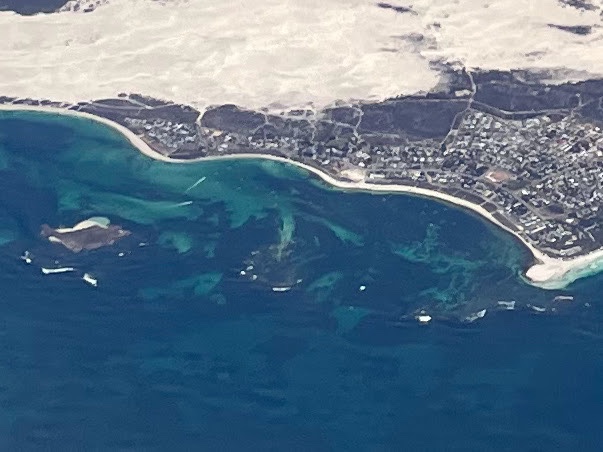
As someone who’s lived equally between England and America, it’s hard not to feel right at home in Australia, a comfortable blend of English and American culture. From its English heritage, impeccable civility, right hand drive cars (ie, wheel on the right, drive on the left), questionable interior design, and tea always served in a teapot. From the America New World influence, impeccable service, beefy pickup trucks, stunning national parks, and an abundance of decent coffee shops and wines.
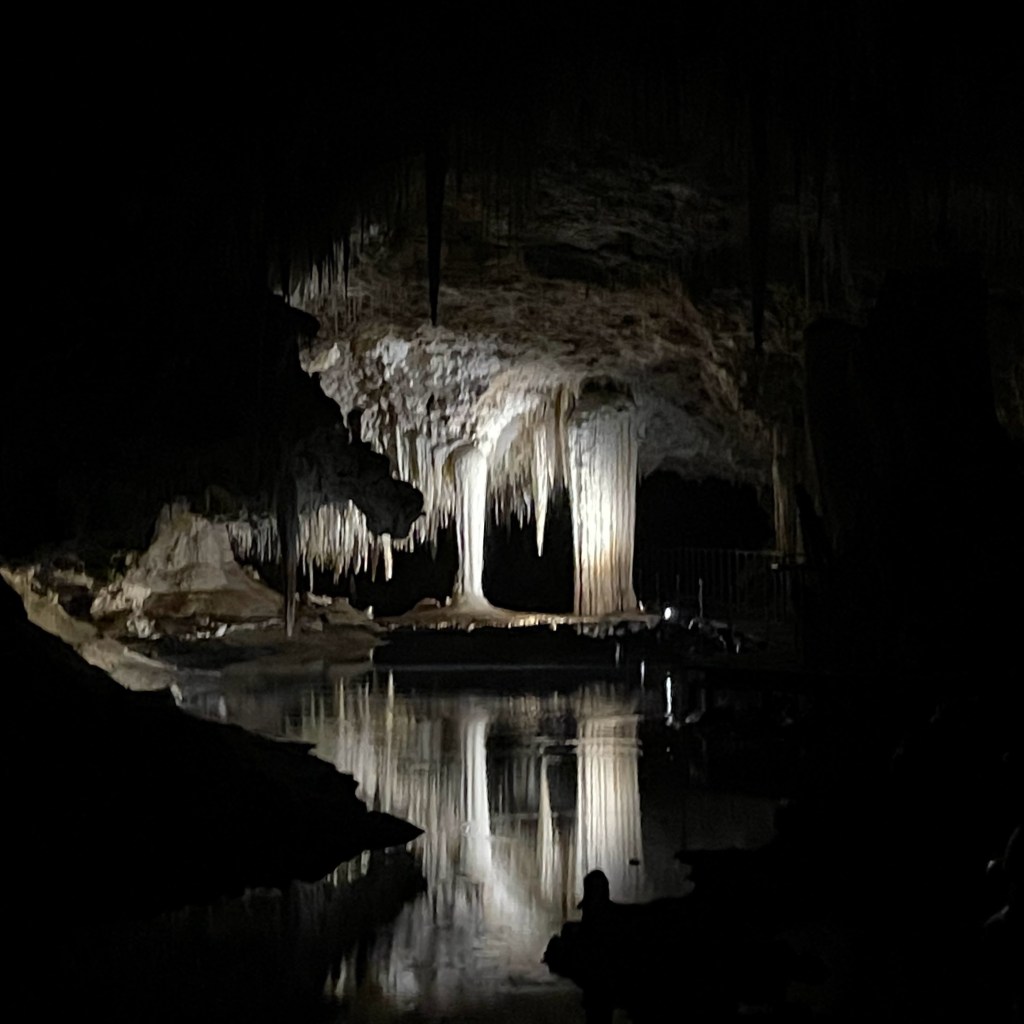
Plus many uniquely Australian characteristics; a deep love for their land (so vast and so beautiful), a real activism to recognize and correct past crimes against indigenous populations (which in other countries too often ends with awareness), a joyful embrace of life no doubt made easier by living in one of the least densely populated countries in the world (just behind Mongolia, 10 times less than the USA and almost 100 times less than the UK – which might be one reason for UK’s lackluster joie de vivre).
Australians mostly live by the coast (which they have lots of) where the weather is mostly perfect. In Margaret River, the small southwestern town I lived in, the weather was unbelievable – each day I could not believe how perfect it was. Maybe only those of you who live in San Diego would not be impressed; it was like that, without the freeways and traffic.
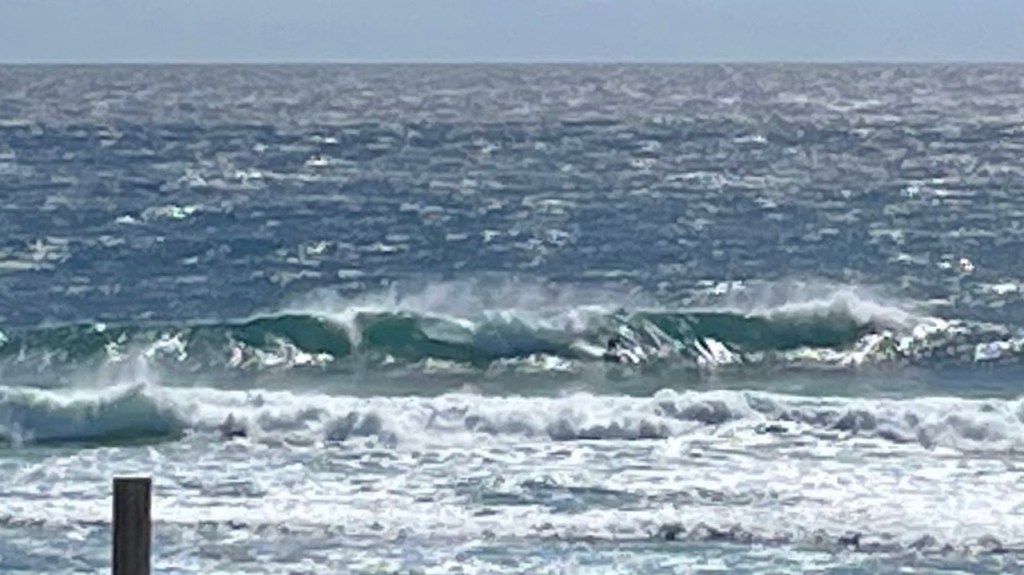
Great weather and an abundance of ocean waves attract great surfers. Australia has almost as many world surfing championship winners as the USA, which has 23 times more people and a very helpful Hawaiian contingency. Australia also has the highest rate of skin cancer in the world, a warning that life’s a beach can be too much of a good thing (Lord grant me temperance, but not yet). Surfer’s Point in Margaret River, where I windsurfed most of the time, is a top surfing break and the town has a surfing aura about it. A lot of hungry looking unshaven young men and women in too-little clothing that barely hangs on, lounging barefoot, living in vans. And a lot of different languages (I personally noticed an abundance of French, maybe attracted by the famous local wines). The town welcomes them all and they fit right in with the locals and less hungry vacation visitors.
Surfing in Western Australia is extreme. The best breaks are deep water waves pitching over shallow reef (like Surfer’s Point) and the so-called beginner waves are pounding beach breaks with short, steep takeoffs and no place to kick out before hitting the sand. Australians seem to love it, and it certainly makes them good. Check out this movie for crazy surfing nurtured in the area: https://youtu.be/cZkQ8Nwn9yw.
I’m no surfer. I catch big waves, but only because I can outrun them on my windsurfer, most of the time. The reef at Surfer’s Point made for steeper waves than I’ve ever sailed before, with faces standing straight up way over mast high (4 meters or 13 feet). It’s a short wave, two or three turns and you’re into deep water beyond the reef, but it’s very fast and comes down very hard. When the wind is just right, strong and a little offshore, the wave becomes a ceramic-smooth bowl of carving pleasure.
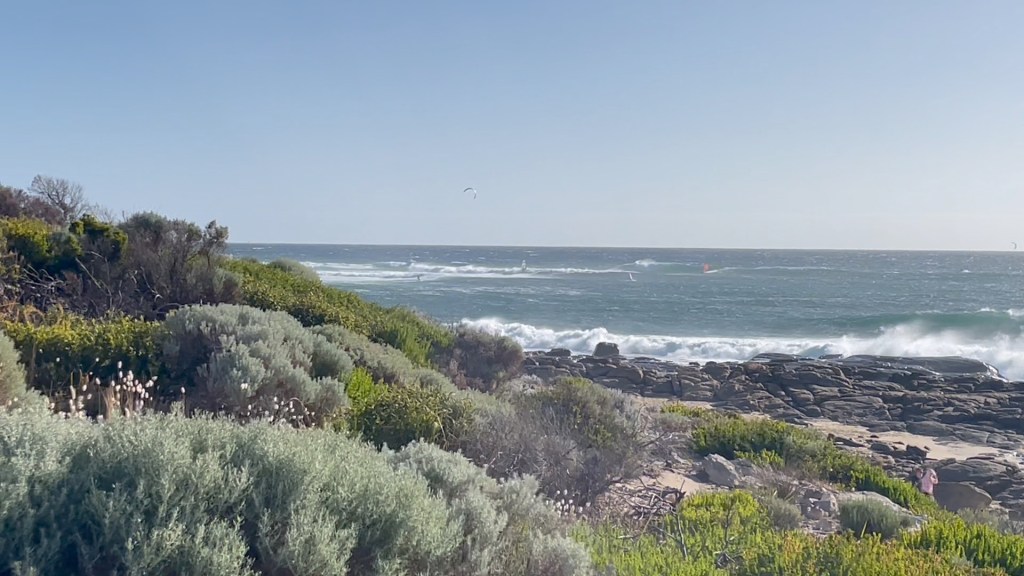
When the waves get bigger and faster you need impeccable timing to catch the wave just as it pitches over so you can make the bottom turn before it catches you. I had one scarily long hold down when the wave outran me on a light wind day, swallowing me bit by bit, my board, my sail, and then me, plucked from behind by the whitewater and rolled and rolled. I was clear of the reef, which is so shallow in places that it pokes through the water, so no serious damage, except to my nerves. From then on, I was much more careful on light wind days and sometimes joined the kitesurfers for reef-free sailing on a nearby river.
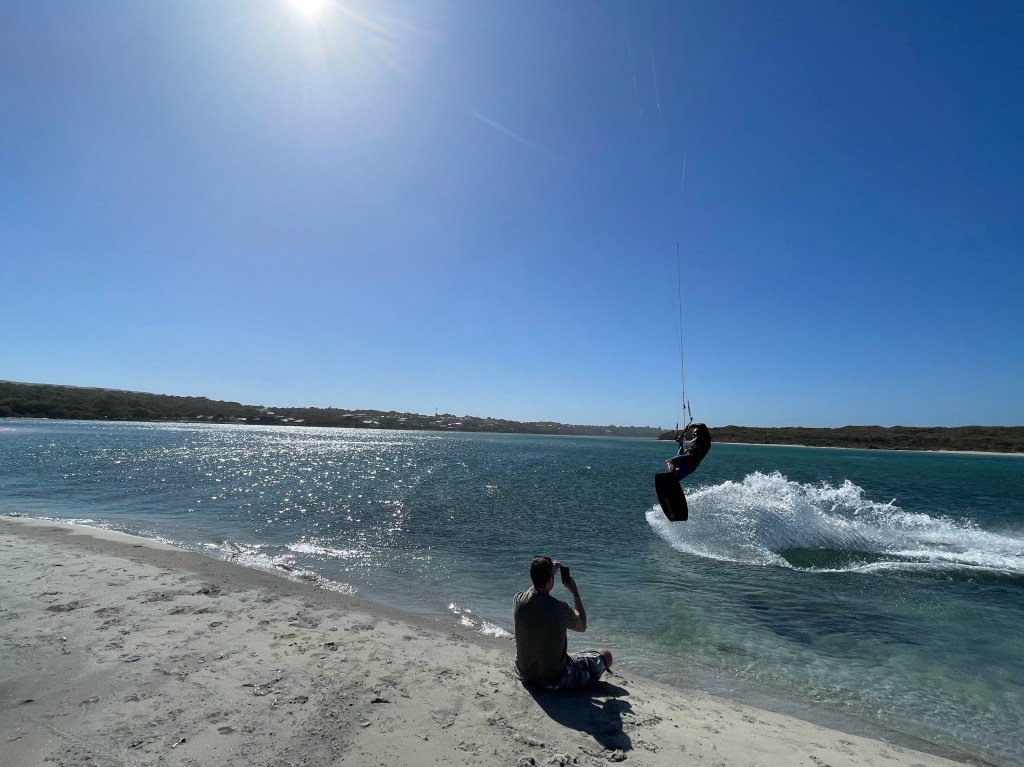
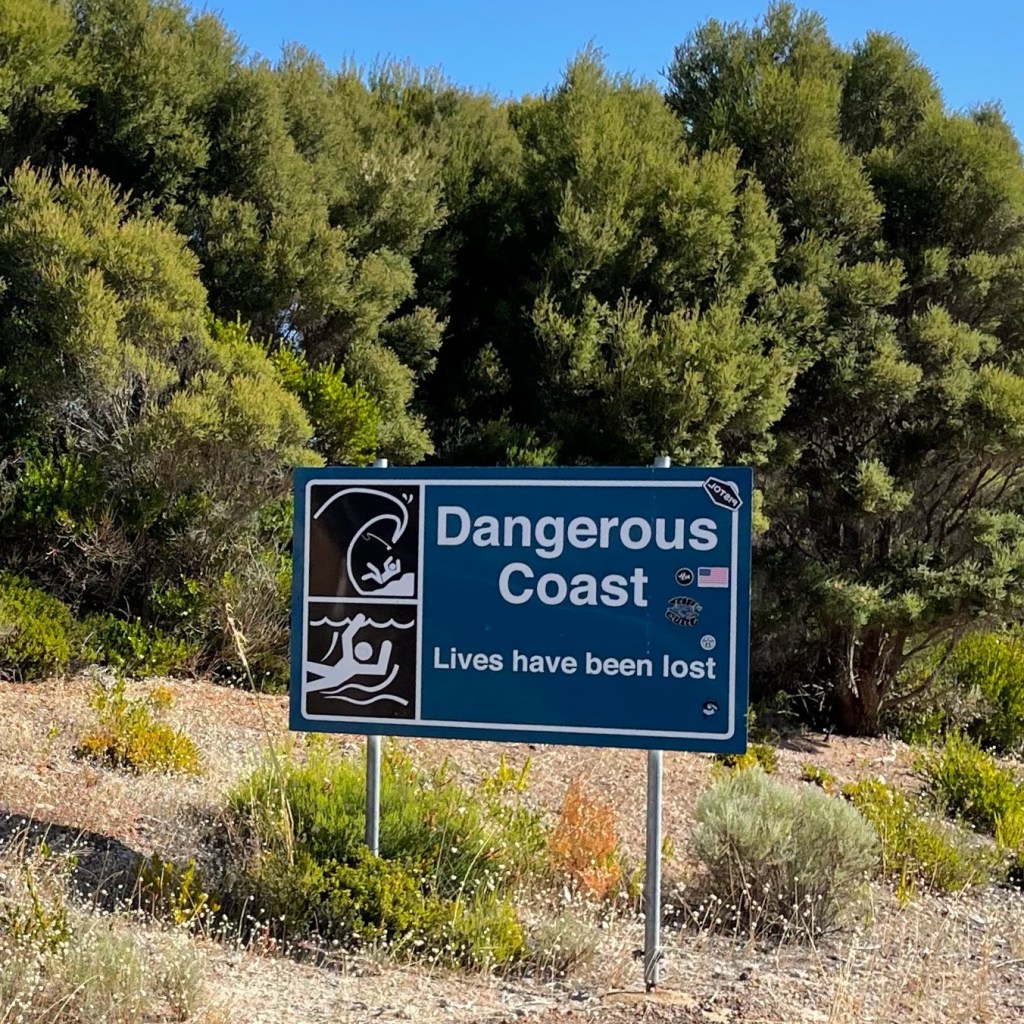
No waves in rivers, but sharks. While I was visiting, a rare fatal shark attack took place up the coast, in the Swan river that runs through Perth: https://www.reuters.com/world/asia-pacific/girl-killed-shark-attack-australias-west-coast-2023-02-05/. Australia has the world’s highest number of recorded shark fatalities, but we’re still only talking about 155 deaths in over 600 years. It’s very rare. More people in Australia have died from lightning strikes in the last 20 years. But if you really want to have fun with this, you can download a shark tracking app to see which friendly locals are hanging out at your beach (or mine). Here’s an example: https://www.ocearch.org/tracker/?list=. This might be a case where too much knowledge is not a good thing.

And Western Australia has lots of wind. You can find 20 knots (25 mph) somewhere on the coast almost every summer day. At one point I sailed 22 out of 25 days. Nursing blisters on my hands and sore muscles everywhere, I was thankful for a break. Champagne problems… But such pleasurable pain is fast forgotten and I’m already looking forward to the next leg of my windsurfing quest, to Diamond Head on Oahu, Hawai’i. I have a few weeks in between to prepare and I’m not staying idle. More about that in an upcoming article.
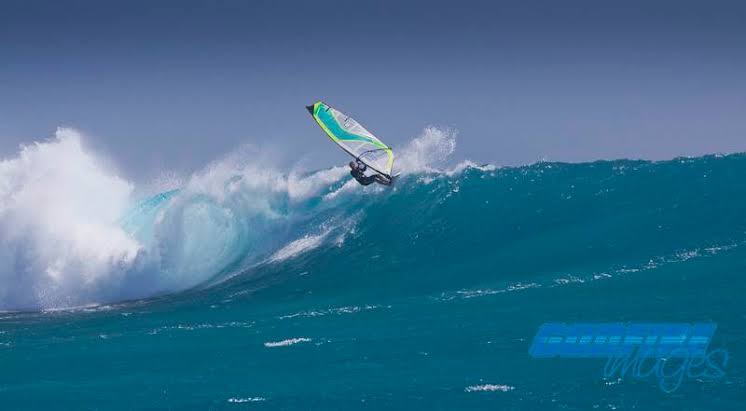
I’ll end on Gnaraloo, which I wanted to visit but did not. I spoke to some locals who confirmed that it deserves its mythical reputation as a world class wave. One said he had a picture of himself being tubed by the wave on his windsurfer, mast and all. The picture was “back home” so I’m not sure about that story. However, ‘Naloo (as the locals say) is another 8 hours north of Geraldton, which is already 8 hours north of Margaret River and as far as I wanted to go alone into the Outback. I will be back with a friend to brave the long trek and desert camping and amazing waves.
 F4 Plus